Introduction
When it concerns offering take care of individuals coping with complicated digestive tract problems, the role of carers can be both tough and rewarding. These problems usually need specific interest, expertise, and abilities that exceed conventional caregiving techniques. In this article, we will certainly check out various elements of looking after individuals with complex bowel problems, specifically concentrating on stoma care and bowel administration methods. We'll additionally talk about vital training programs like ndis complex bowel care training stoma care techniques and stoma care training for carers, which gear up caretakers with the essential abilities to supply efficient support.
By tailoring your technique based on the certain needs of people, you can considerably improve their quality of life while ensuring they obtain the very best feasible treatment. Let's dive deeper right into the nuances of this vital field.
Complex Digestive tract Conditions: Customizing Your Approach as a Carer
Caring for a person with intricate bowel conditions demands an understanding of different medical terms and treatments. It is not simply about transforming bags or handling diet plans; it entails an alternative method that takes into consideration emotional support, way of life changes, and useful skills.
Understanding Complex Digestive tract Conditions
What Are Complicated Digestive tract Conditions?
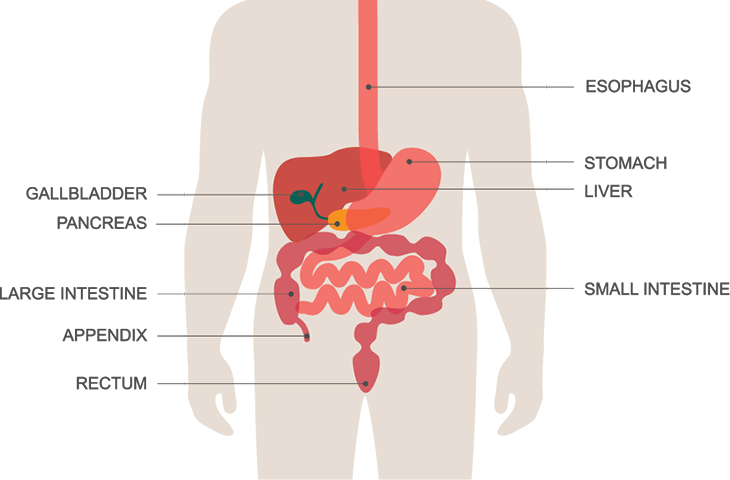
Complex digestive tract problems describe a variety of food poisonings that might need customized treatment due to their persistent nature or difficulties. This can consist of inflammatory bowel disease (IBD), irritable digestive tract disorder (IBS), and problems requiring ostomy procedures.
Common Sorts of Complicated Digestive Tract Conditions
- Inflammatory Bowel Condition (IBD) Irritable Digestive tract Syndrome (IBS) Diverticulitis Colorectal Cancer
Each problem provides one-of-a-kind obstacles requiring customized strategies to caregiving.
The Significance of Specialized Training in Bowel Care
Why Is Educating Essential for Carers?
Training gives carers with the expertise and skills needed to take care of complicated digestive tract problems properly. Programs such as the complex digestive tract care course are important in making certain that caregivers understand the ins and outs associated with client care.
Types of Training Available
NDIS Complex Bowel Care Training
This program concentrates on the National Special Needs Insurance Policy System (NDIS) framework, assisting carers supply customized support lined up with Australian standards.
Stoma Treatment Training for Carers
This customized training educates caregivers exactly how to take care of ostomies efficiently, consisting of bag changes, skin defense, and psychological support.
Bowel Care Administration Courses
These courses cover a vast array of topics connected to bowel health and wellness, consisting of dietary administration, medication administration, and emergency situation protocols.
What Is a Stoma? Understanding Ostomy Care
Defining Key Terms: What Is a Stoma?
A stoma is an opening up created surgically on the abdominal area that permits waste to exit the body when regular elimination via the rectum is not possible due to clinical conditions or surgical interventions.
What Is an Ostomy?
An ostomy is a more comprehensive term referring to any surgery that produces an opening from a location inside the body to the outside. Stomas can be momentary or permanent based upon specific wellness needs.
Caring for an Ostomy: A Practical Guide
Essential Skills for Stoma Care Management
Changing Ostomy Bags
Recognizing how to alter an ostomy bag correctly is important for avoiding leaks and skin irritation.
Skin Treatment Protocols
Shielding the skin around the stoma from irritation is important; this includes utilizing barrier lotions and properly fitting appliances.
Dietary Considerations
Certain foods could impact stool consistency or smell; understanding these dietary restrictions can considerably improve comfort.
Emotional Support: The Human Aspect in Facility Digestive Tract Care
The Mental Effect of Persistent Conditions
Patients living with complex bowel problems typically experience anxiousness or anxiety because of their conditions. As a carer, offering psychological assistance is just as vital as physical assistance.
How Can Carers Provide Psychological Support?
- Active listening Encouraging open communication regarding feelings Providing confidence concerning issues associated with their condition
Practical Tips for Daily Management of Complicated Digestive Tract Conditions
1. Developing Routines
Creating constant regimens can help individuals feel even more safe in their daily lives. Normal times for dishes and bag changes can minimize anxiousness associated with unpredictability.
2. Keeping track of Symptoms
Keeping track of symptoms such as changes in feces uniformity or stomach pain can provide beneficial understandings into what works well in regards to diet regimen and monitoring strategies.

FAQ Section
1. What certifications should I try to find in a carer?
Look for accreditations in areas like NDIS complex bowel care training or stoma care training; practical experience is also invaluable.
2. Exactly how often need to ostomy bags be changed?
Typically every 3-7 days yet should be analyzed frequently based upon private needs.
3. Can diet regimen effect my condition?
Yes! Particular foods might aggravate signs; keeping a food journal can assist identify triggers.
4. What sources are offered for recurring education?
Numerous online courses provide knowledge in areas like complex bowel care management and stoma care training.
5. Exactly how do I deal with emergencies related to bowels?
Always have a plan ready; understanding emergency situation procedures detailed during your training will certainly assist you respond efficiently when needed.
6. Are there neighborhood resources available?
Many companies supply support groups where people and family members can connect with others facing similar challenges.
Conclusion
Navigating intricate digestive tract conditions requires both technological knowledge and compassionate caregiving abilities. By investing time in specialized training such as NDIS complex bowel care training or stoma care training courses, you outfit on your own with vital devices that allow you to provide high-grade assistance customized especially to each person's needs.
Ultimately, your function goes beyond formalities; it's about constructing trustful partnerships where individuals really feel seen, listened to, and looked after holistically-- literally, emotionally, and emotionally. As you start this journey as a carer, keep in mind that every little act adds substantially toward improving someone's lifestyle in the middle of their have problem with complex bowel conditions.
This write-up functions as both a useful overview and a resourceful tool created particularly for those keen on understanding the art of caring within this specific domain name-- Complex Bowel Conditions: Customizing Your Strategy as a Carer!