Introduction
Navigating the globe of ostomies can feel overwhelming, and understanding the terminology related to them is critical for individuals, caretakers, and medical care experts alike. In this thorough guide, we will certainly explore what an ostomy stoma is, look into the various sorts of ostomies, review ostomy care training alternatives offered for caretakers, and demystify the intricacies bordering bowel care management. This write-up aims to offer quality on a topic that impacts numerous lives while making sure that you leave with a much deeper understanding of exactly how to care for someone with an ostomy. So, let's dive right in!
What is an Ostomy Stoma?
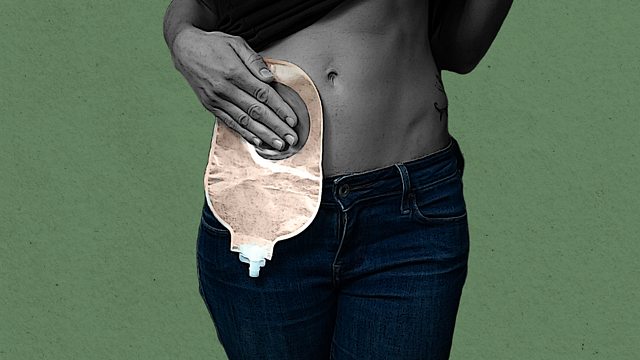
An ostomy stoma refers to an operatively produced opening in the abdomen that connects a section of the intestinal tract or urinary system tract to the outside of the body. This procedure is typically necessary due to clinical conditions like cancer cells, inflammatory digestive tract condition (IBD), or injury. The stoma acts as a substitute leave point for waste when regular removal paths are compromised.
Types of Ostomies
Colostomy
A colostomy includes bringing component of the colon with the stomach wall surface. It may be momentary or irreversible and is commonly suggested for problems influencing the lower intestinal tract.
Ileostomy
In an ileostomy, a section of the ileum (the last part of the small intestine) is drawn out to develop a stoma. This type is generally irreversible and might be needed for serious digestive tract diseases.
Urostomy
A urostomy involves producing a stoma from sections of the urinary system. It's mainly executed for individuals that have bladder issues or have had their bladder removed.
What Does Ostomy Care Entail?
Ostomy treatment consists of managing hygiene, stopping skin irritability around the stoma, and making sure proper pouching systems are used. Caregivers play a necessary role in this process; hence they ought to engage in specialized training.
Importance of Stoma Care Training for Carers
Training caregivers in stoma care is essential for making sure both patient comfort and wellness results. Appropriate education and learning on just how to handle an ostomy can dramatically decrease issues like infections or skin breakdown.
Stoma Treatment Training Programs Available
Basic Stoma Care Courses- These training courses cover fundamental elements like cleaning strategies and pouch changes.
- Focused on complicated instances needing deeper understanding concerning various sorts of bags and specific skin treatment products.
- Tailored programs under Australia's National Handicap Insurance policy Scheme (NDIS) focusing on managing complex digestive tract requires effectively.
Who Needs Ostomy Care Training?
Anyone involved in looking after people with ostomies ought to undergo training. This consists of member of the family, professional caregivers, registered nurses, and even volunteers within community settings.
Benefits of Quality Training
https://www.storeboard.com/blogs/beauty-and-fashion/the-function-of-stoma-care-in-patient-recovery-and-health/6067103- Enhanced expertise brings about improved individual outcomes. Increased self-confidence in managing emergencies. Better emotional assistance provided by trained caregivers.
Complex Digestive tract Care: Understanding Its Necessity
The term "complex bowel care" includes a range of methods focused on helping people handle their digestive tract wellness successfully.
Components of Complex Bowel Care Management
Assessment- Regular analyses are vital for tracking any kind of adjustments in digestive tract habits or health.
- Each person might require tailored techniques based upon their special needs.
- Knowledge regarding nutritional alterations can substantially affect bowel health.
Caring for an Ostomy: A Detailed Guide
Successfully taking care of somebody with an ostomy needs diligence and knowledge about daily routines:
Daily Cleaning up Routine- Gentle cleansing around the stoma to stop infections.
- Recommendations suggest changing pouches every 3-7 days depending on variables like outcome and skin condition.
- Adapting diet regimen according to specific tolerance degrees can aid manage result consistency.
FAQs Regarding Ostomies and Stomas
What is a stoma? A stoma is a synthetic opening created surgically that allows waste to exit the body when normal courses are not functional.
How long does it take to recover from ostomy surgery? Recovery time varies per person however typically varies from 6-8 weeks post-surgery.
Can I live typically after obtaining an ostomy? Yes! Many people lead meeting lives after getting an ostomy with correct monitoring and support.
Is there specialized training available for caregivers? Definitely! Different programs concentrate specifically on teaching vital skills connected to stoma care management.
Will I need continuous assistance after my surgery? A lot of individuals take advantage of continuous follow-ups with doctor concentrating on ostomy care even after recovery.
What must I do if there's leakage around my pouch? Analyze your pouch fit instantly; take into consideration altering your home appliance or consulting your healthcare provider if leaks persist.
Conclusion
Understanding what an ostomy stoma is and just how it can influence life is vital-- not simply for those dealing with one but additionally for their caretakers and loved ones associated with their treatment trip. With suitable training-- like NDIS complex bowel care training-- caregivers can supply reliable assistance while cultivating independence among those they assist.
As we've checked out throughout this write-up, becoming knowledgeable about basic concepts concerning stomas lays down a solid structure not simply for administration yet also fosters far better interaction in between patients and their support systems!

In recap, whether you're seeking information as someone newly diagnosed or searching for ways to enhance your caregiving skills through specialized training courses like complex bowel care training-- remember: understanding equips you every action of this journey!